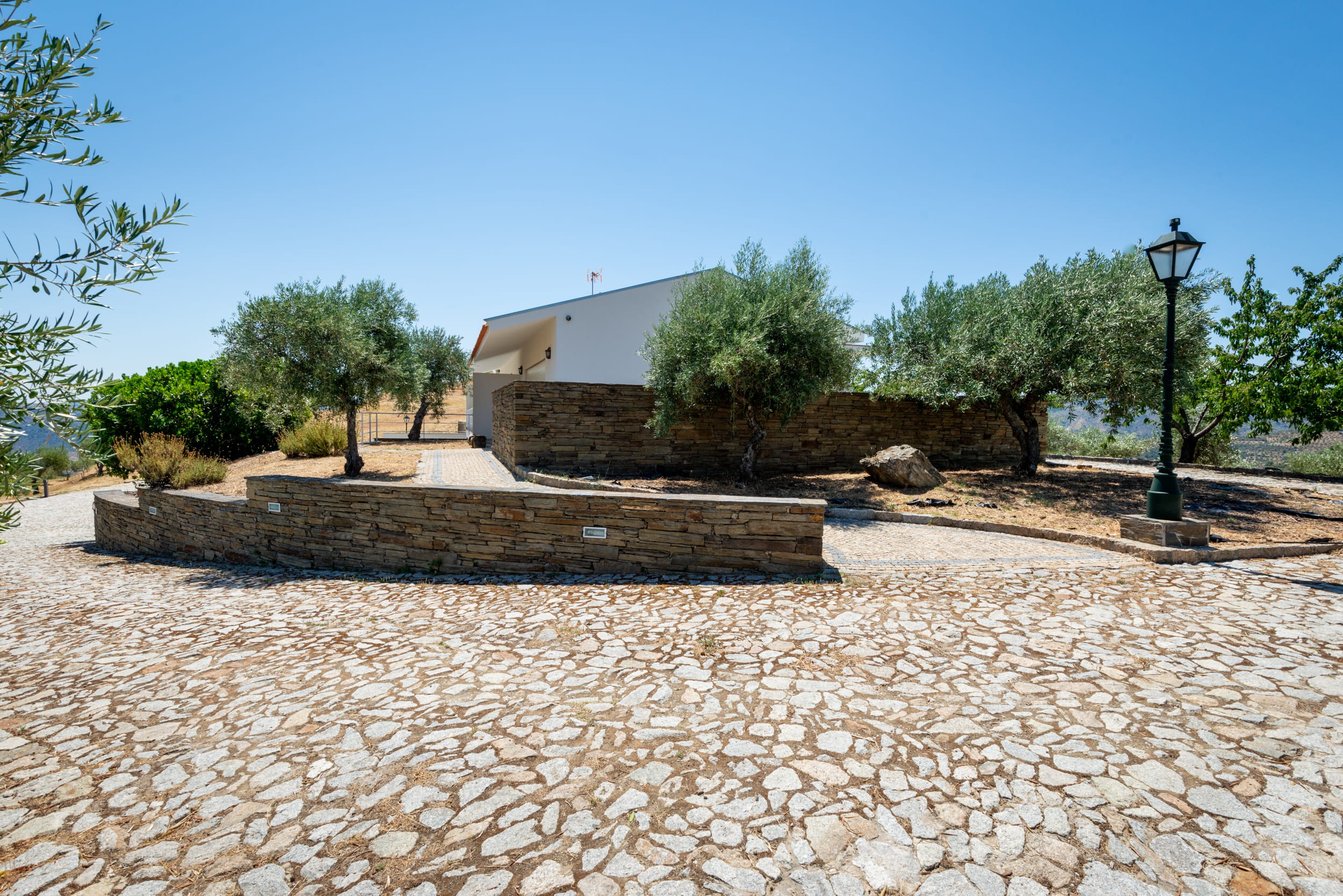
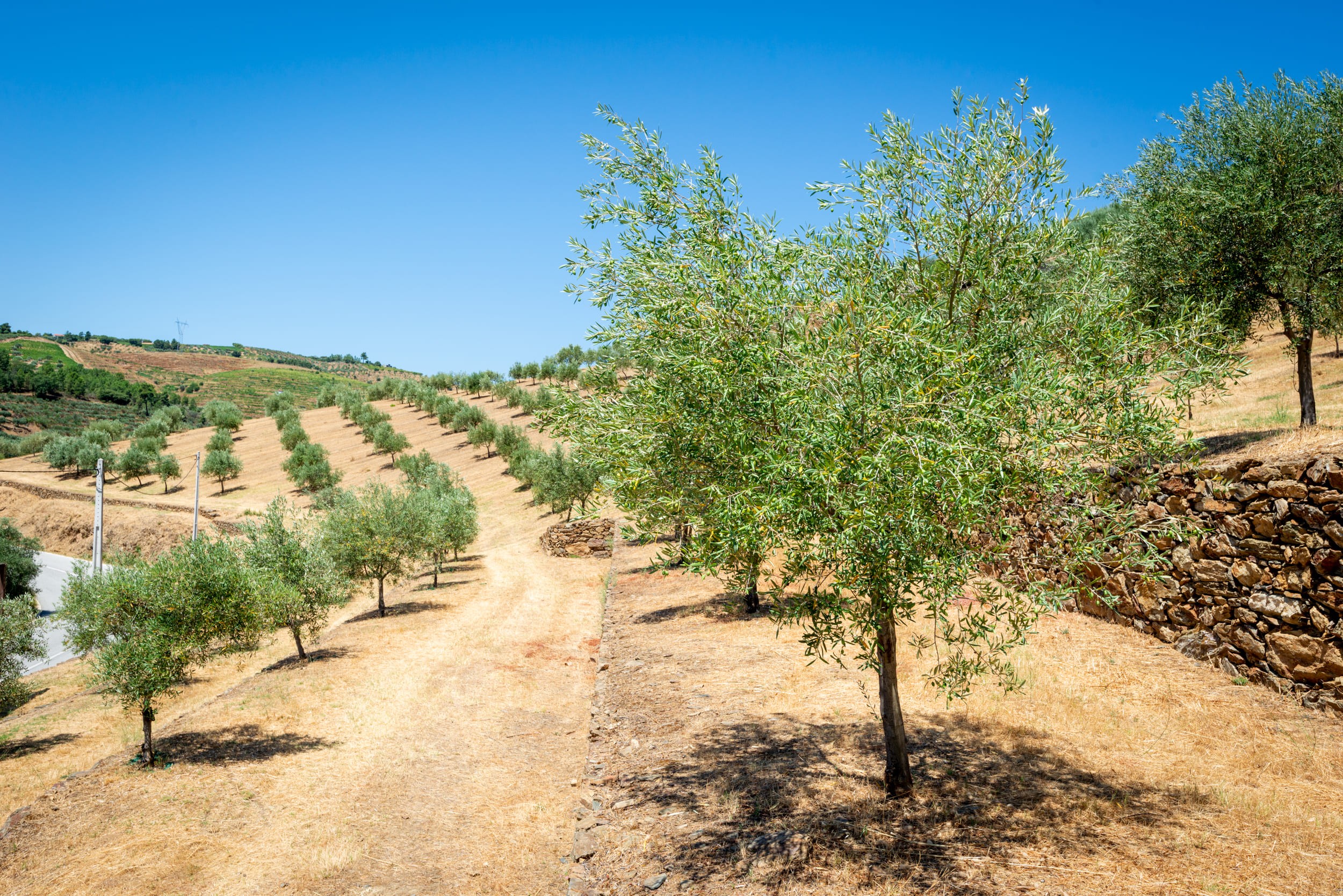
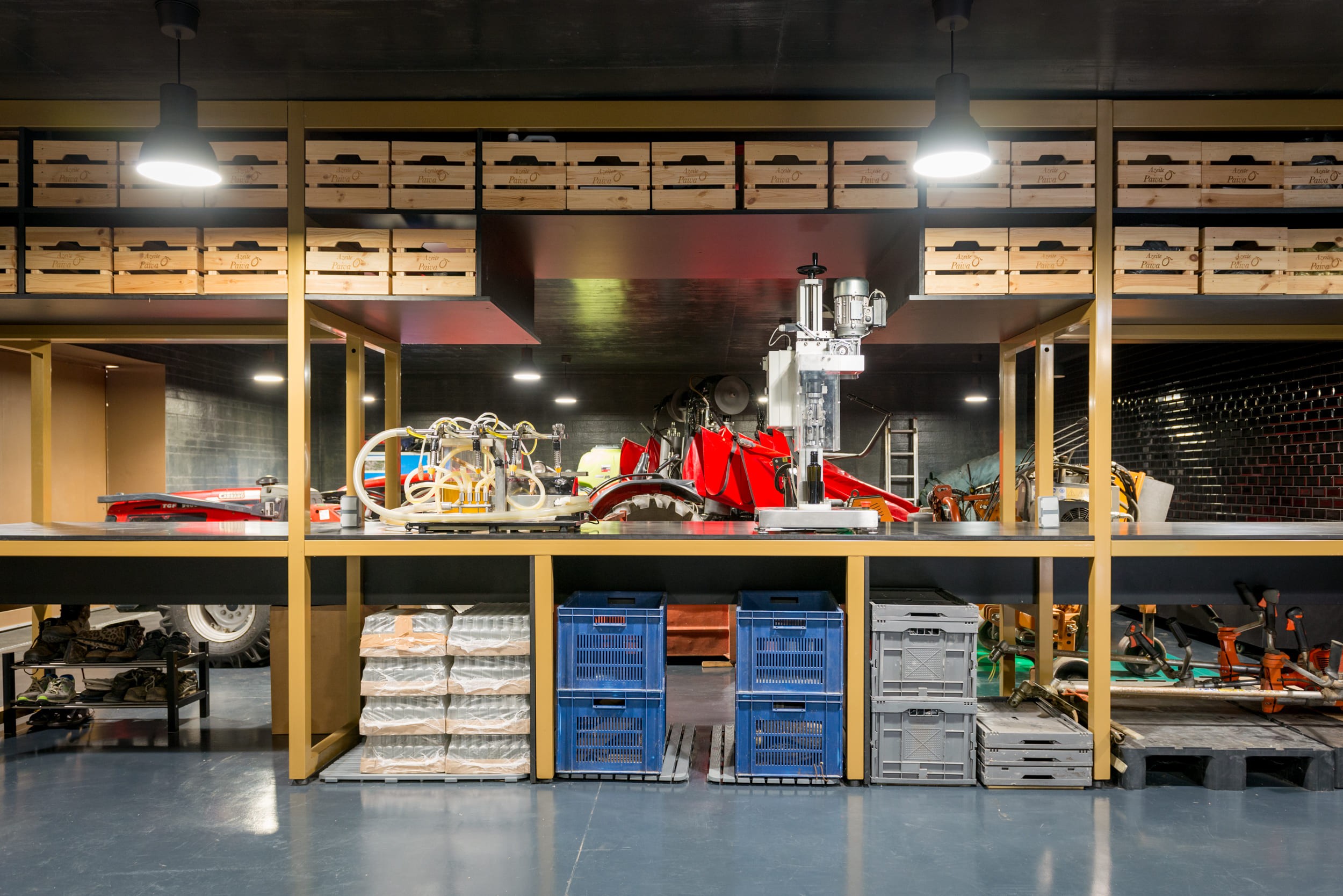
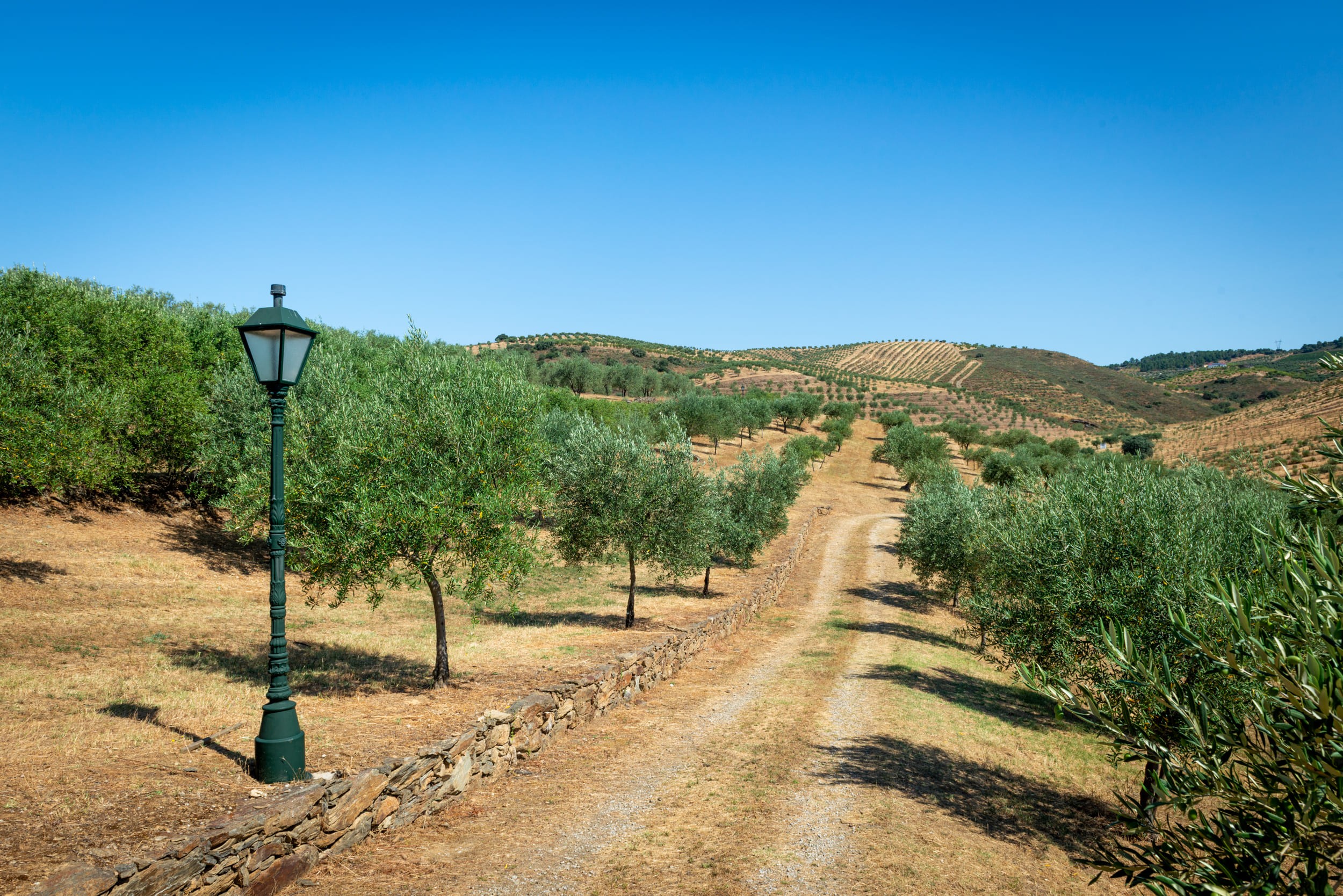
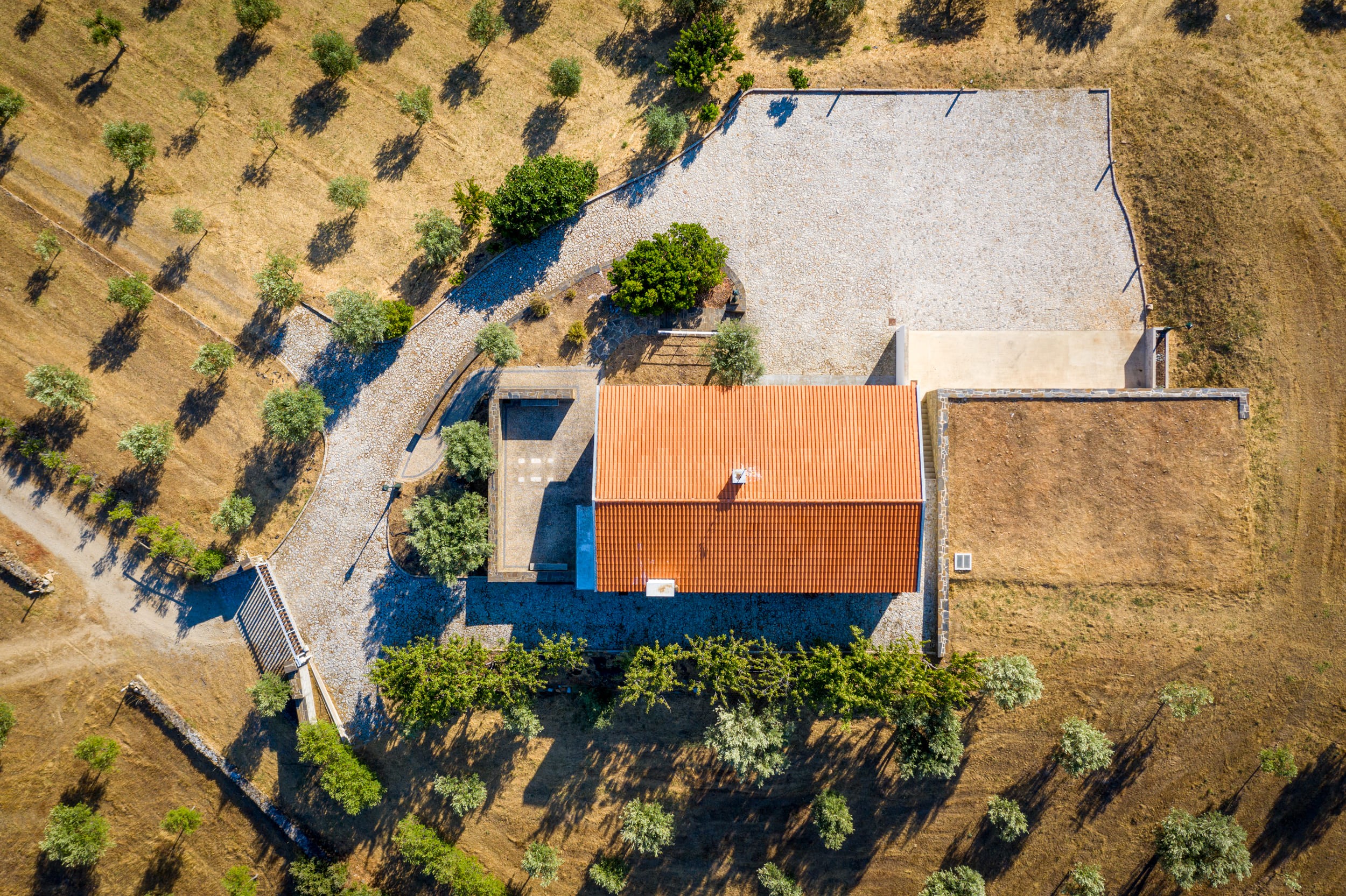
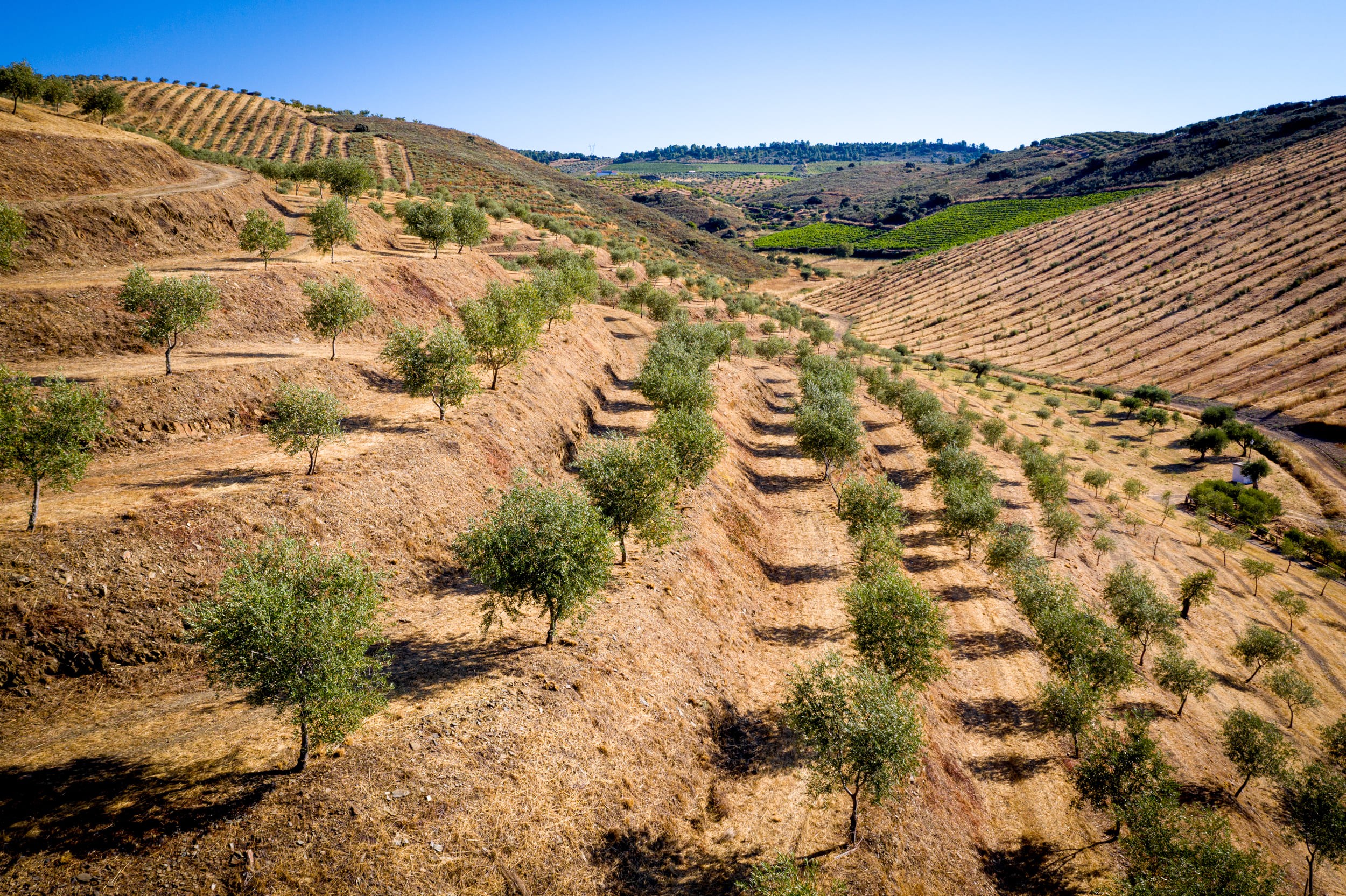
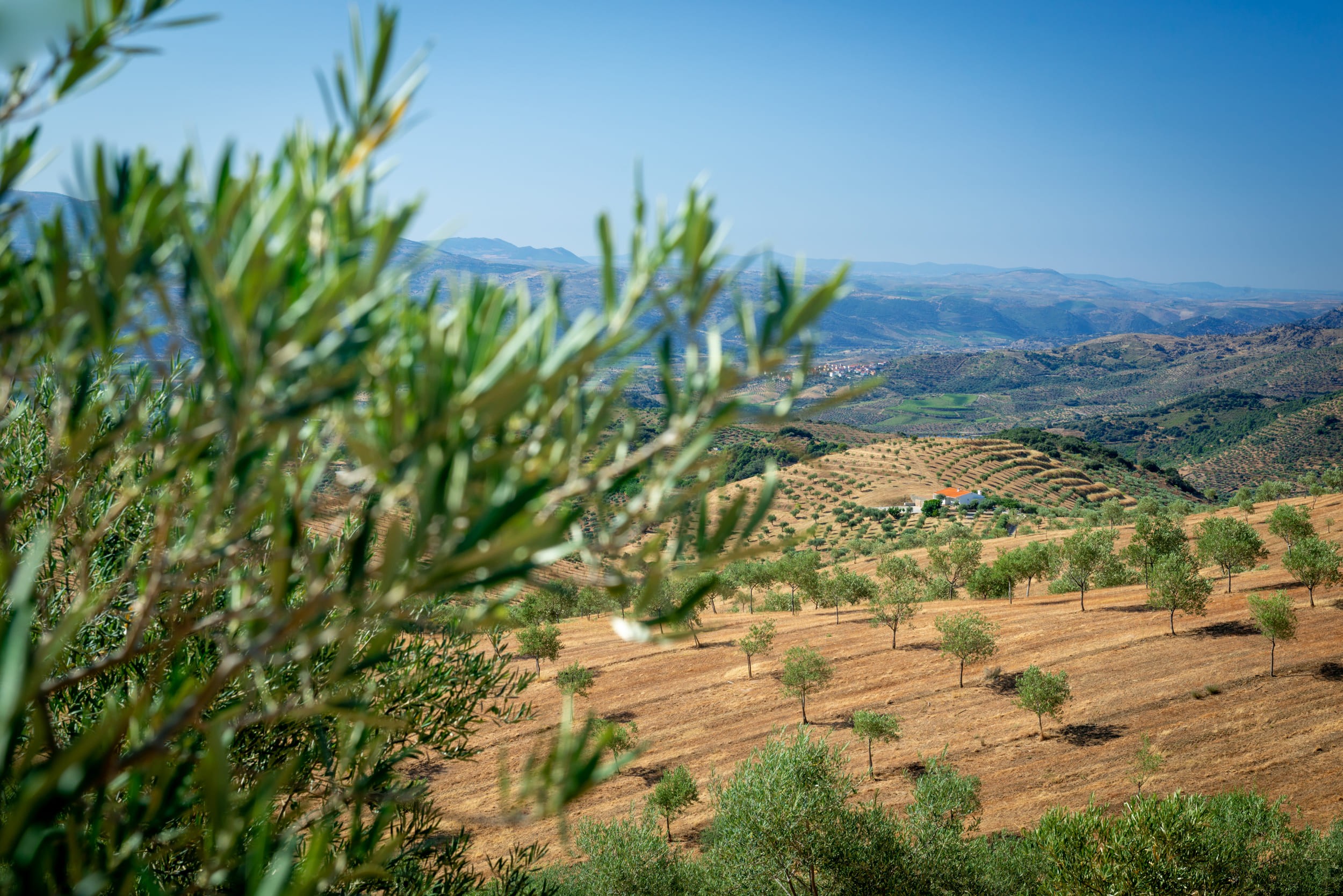
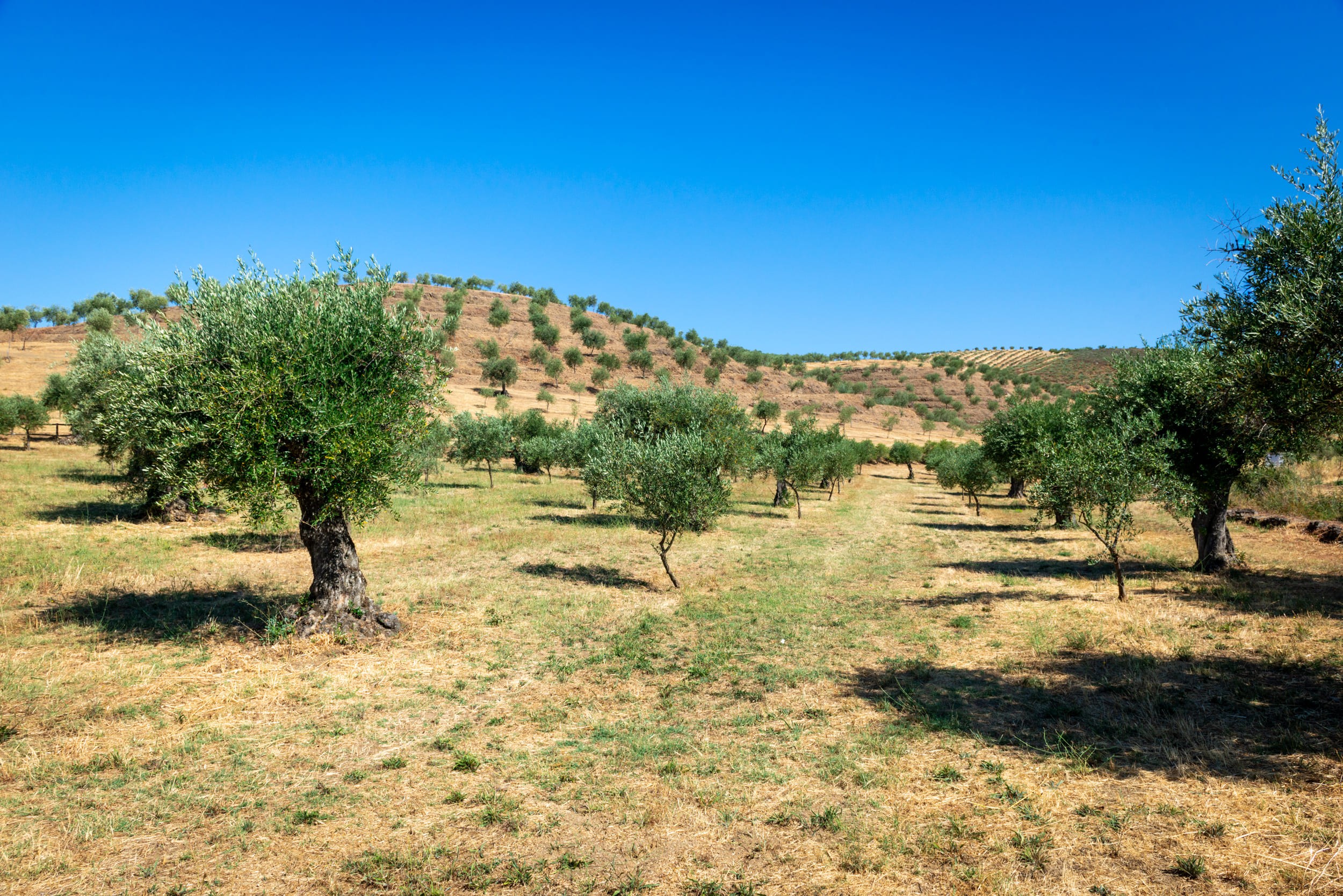
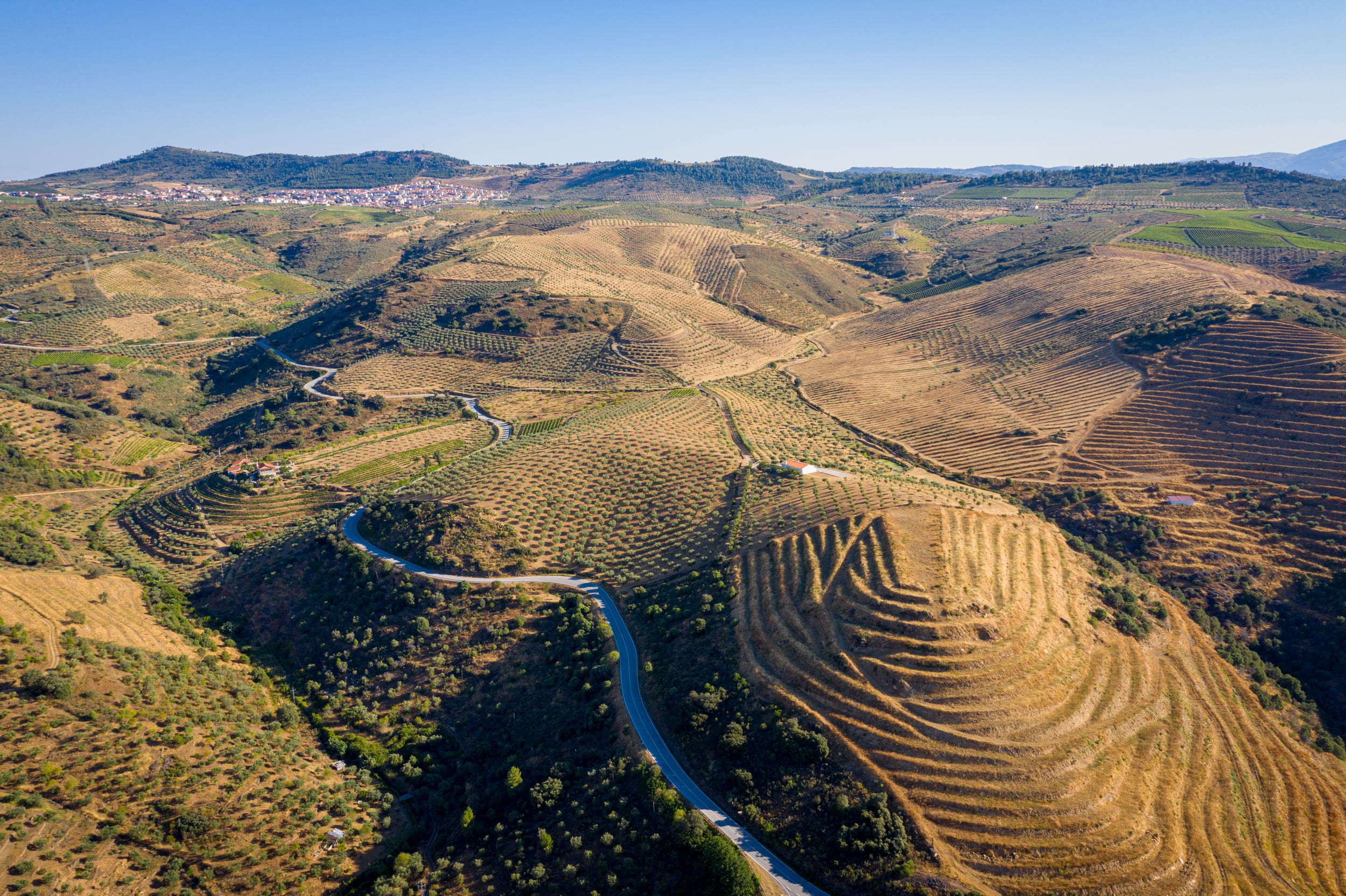
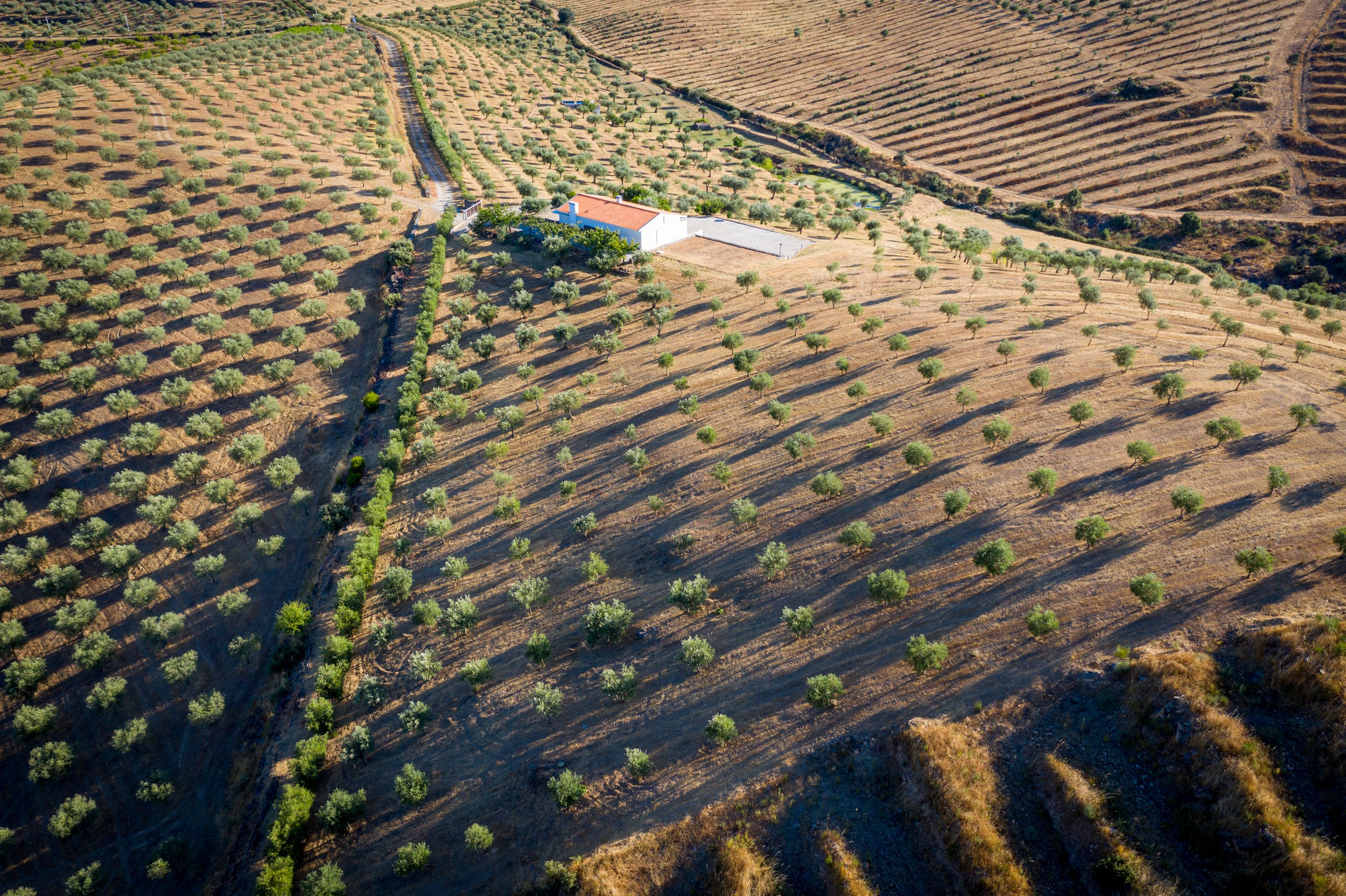
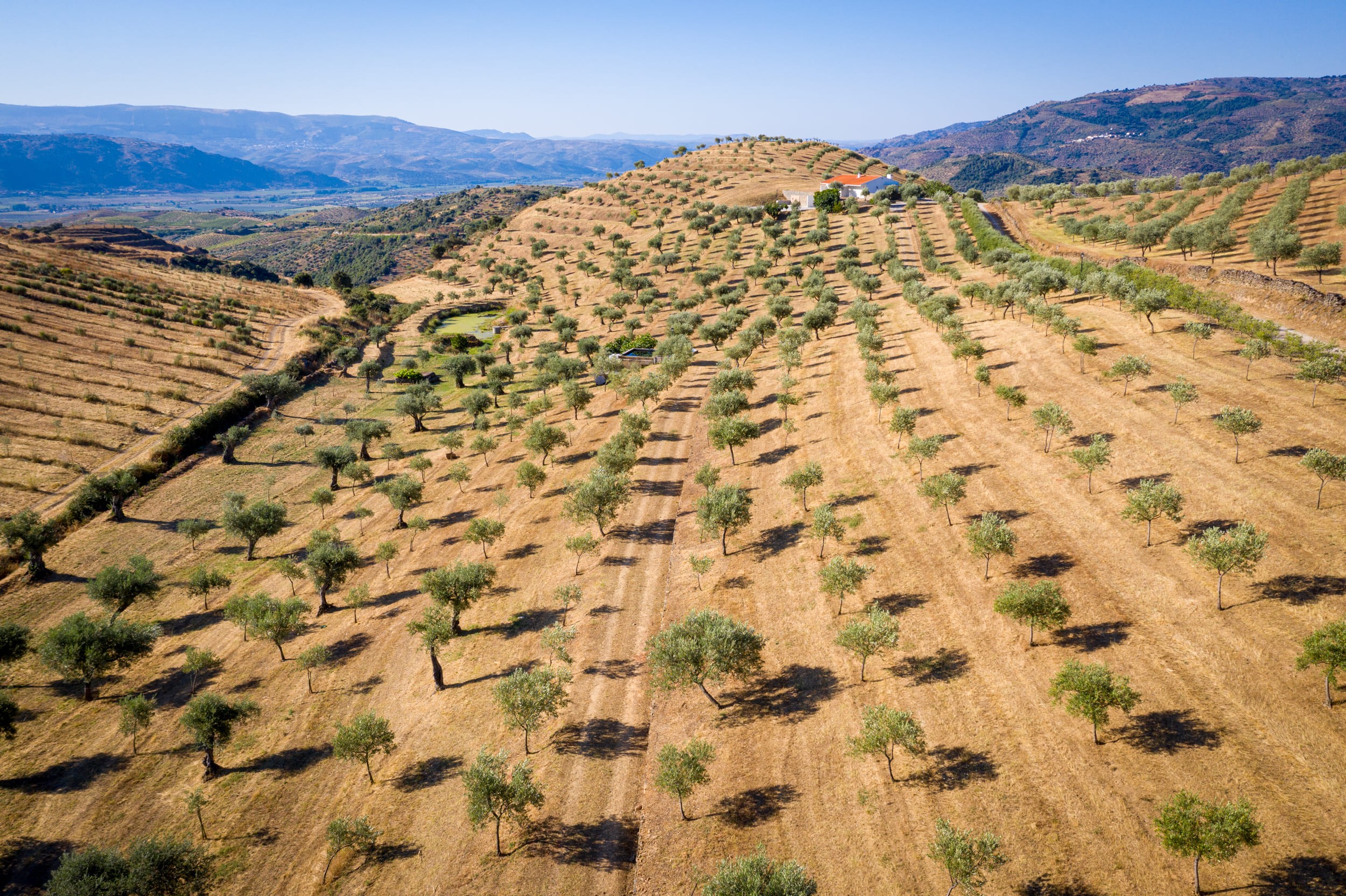
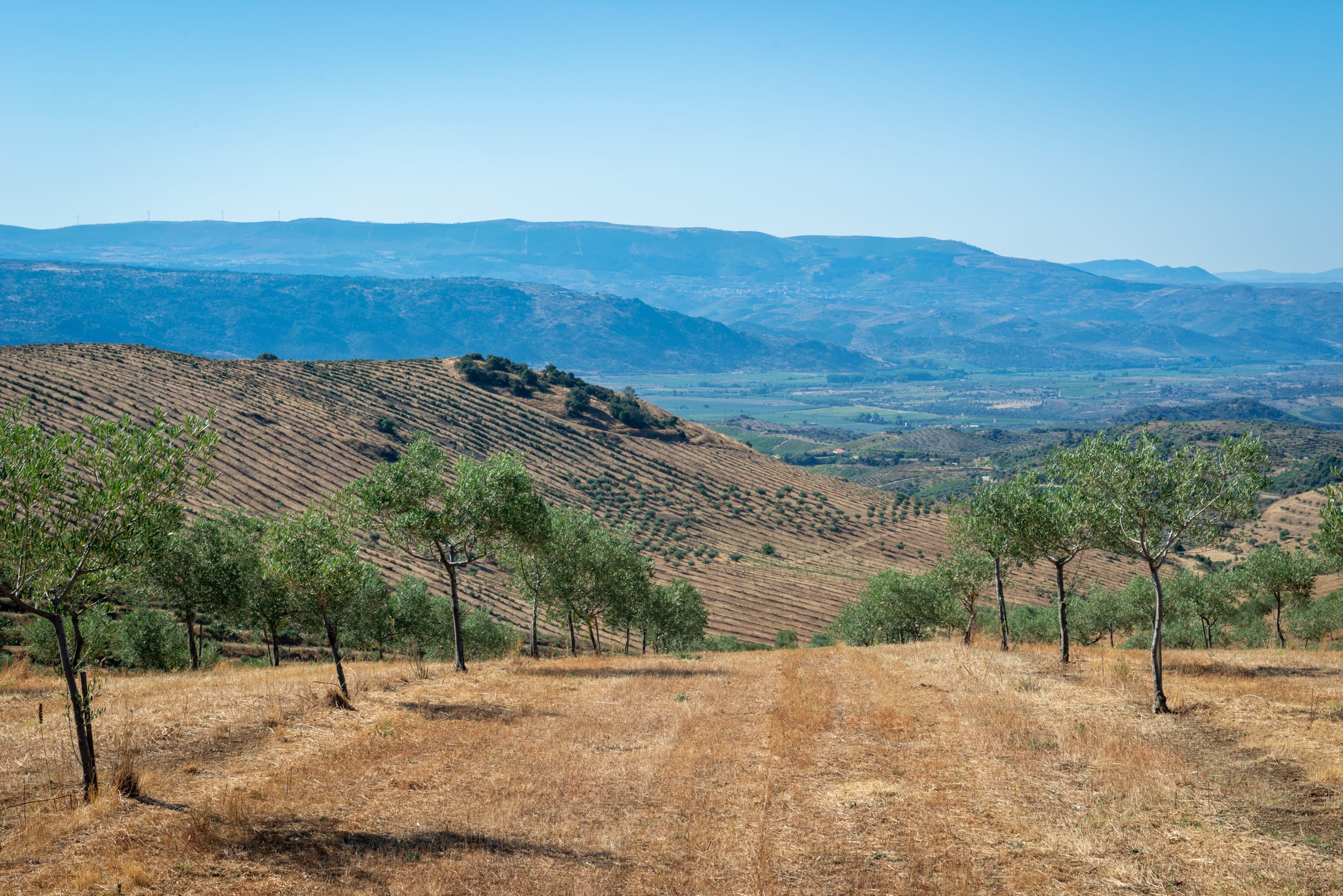
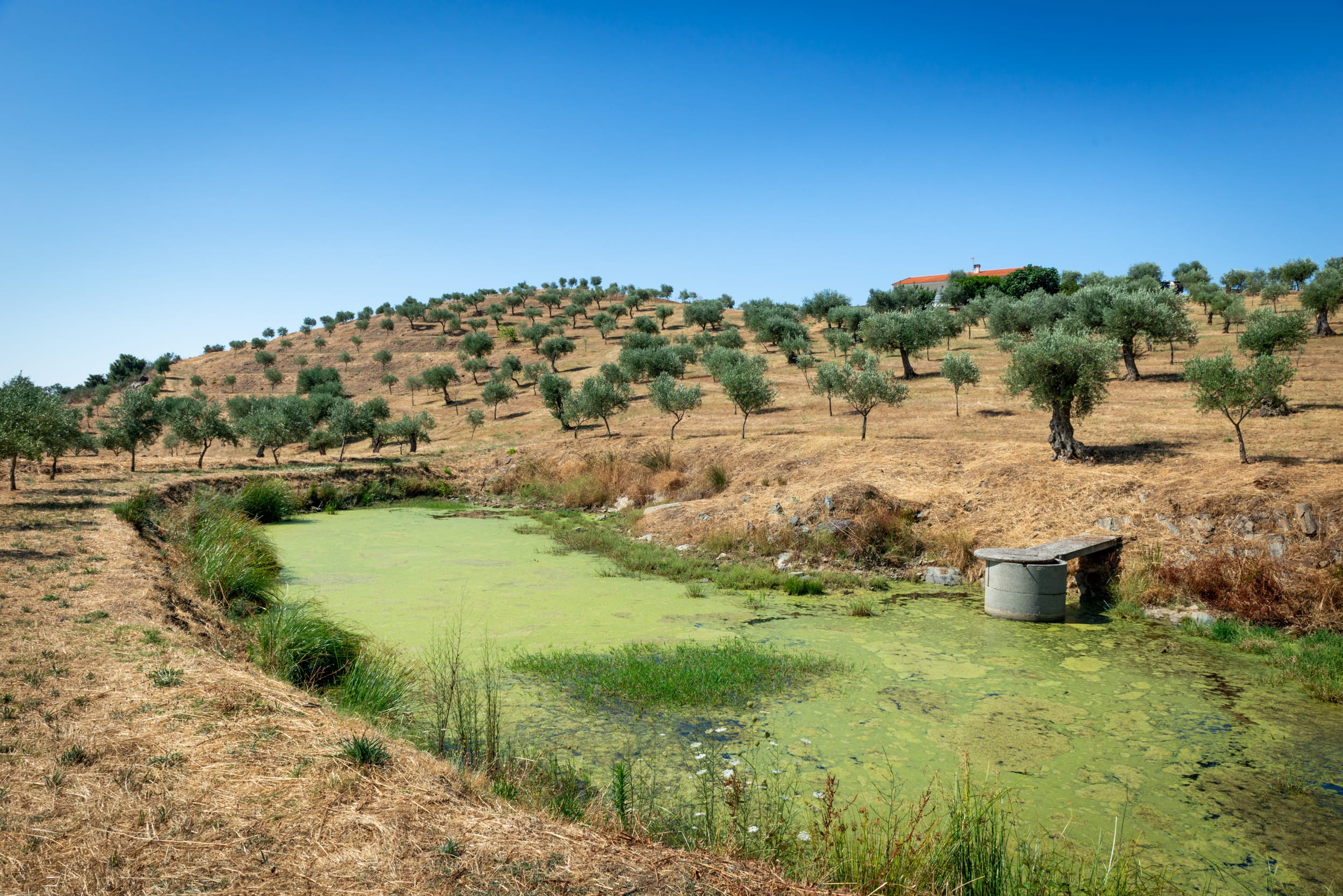
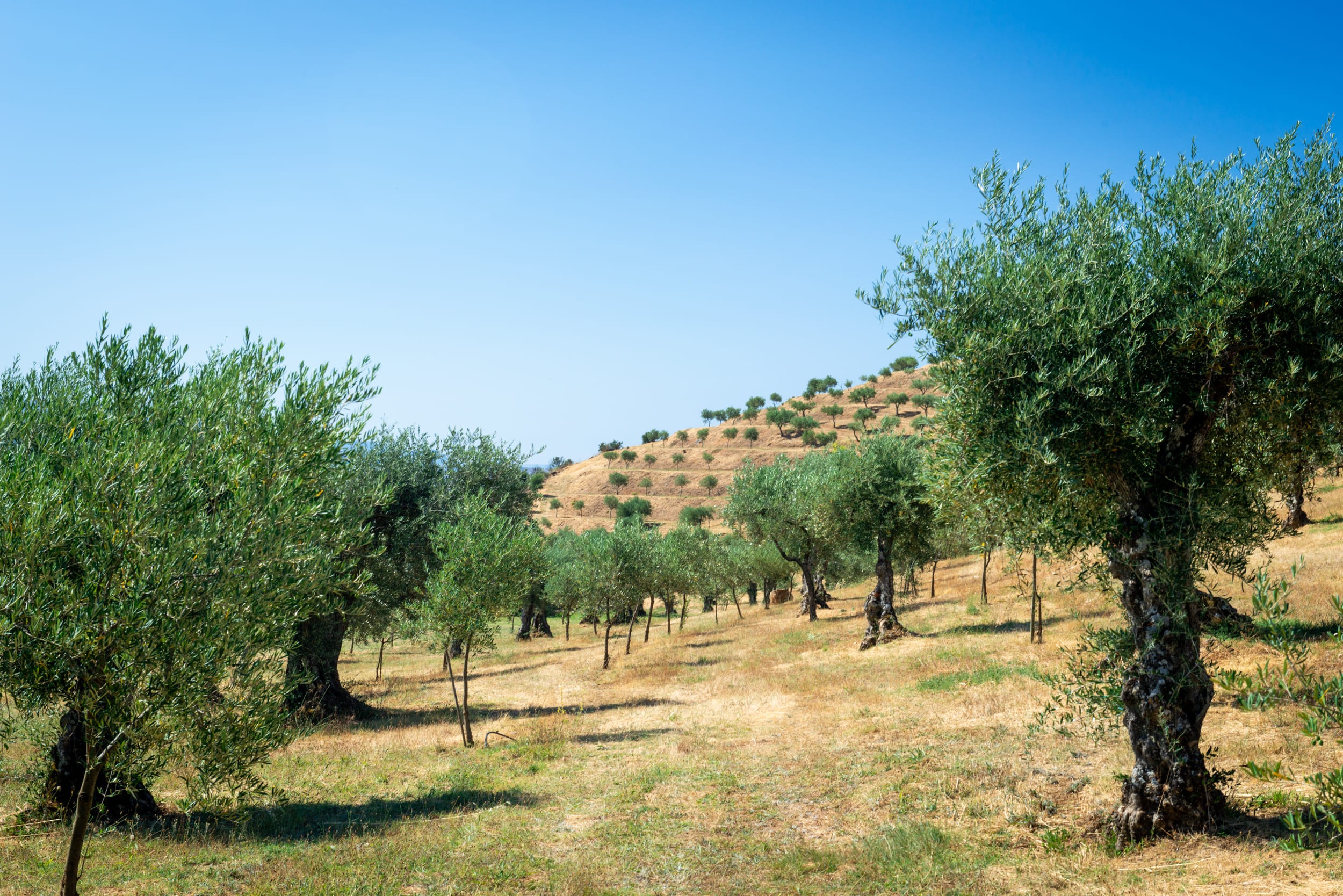
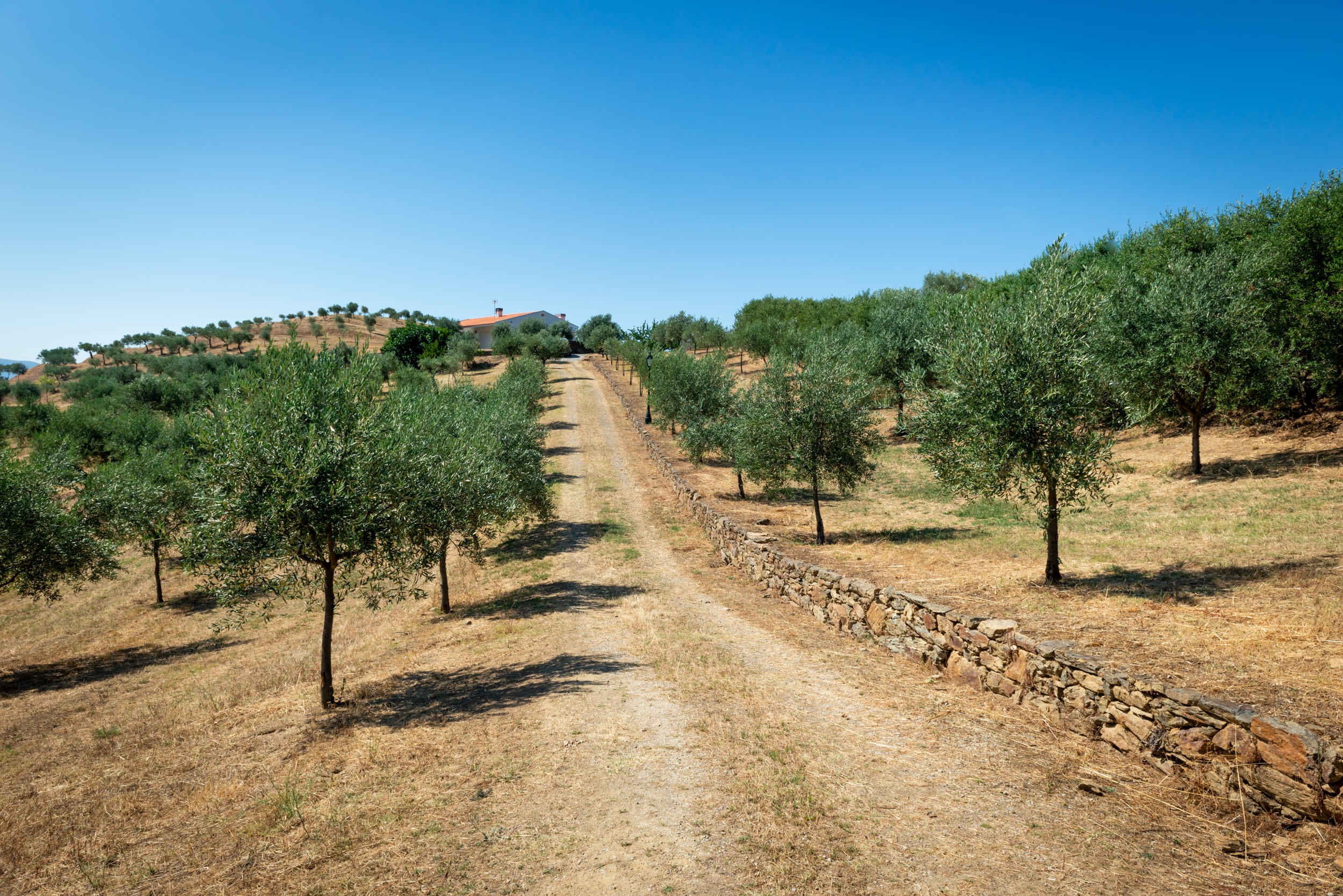
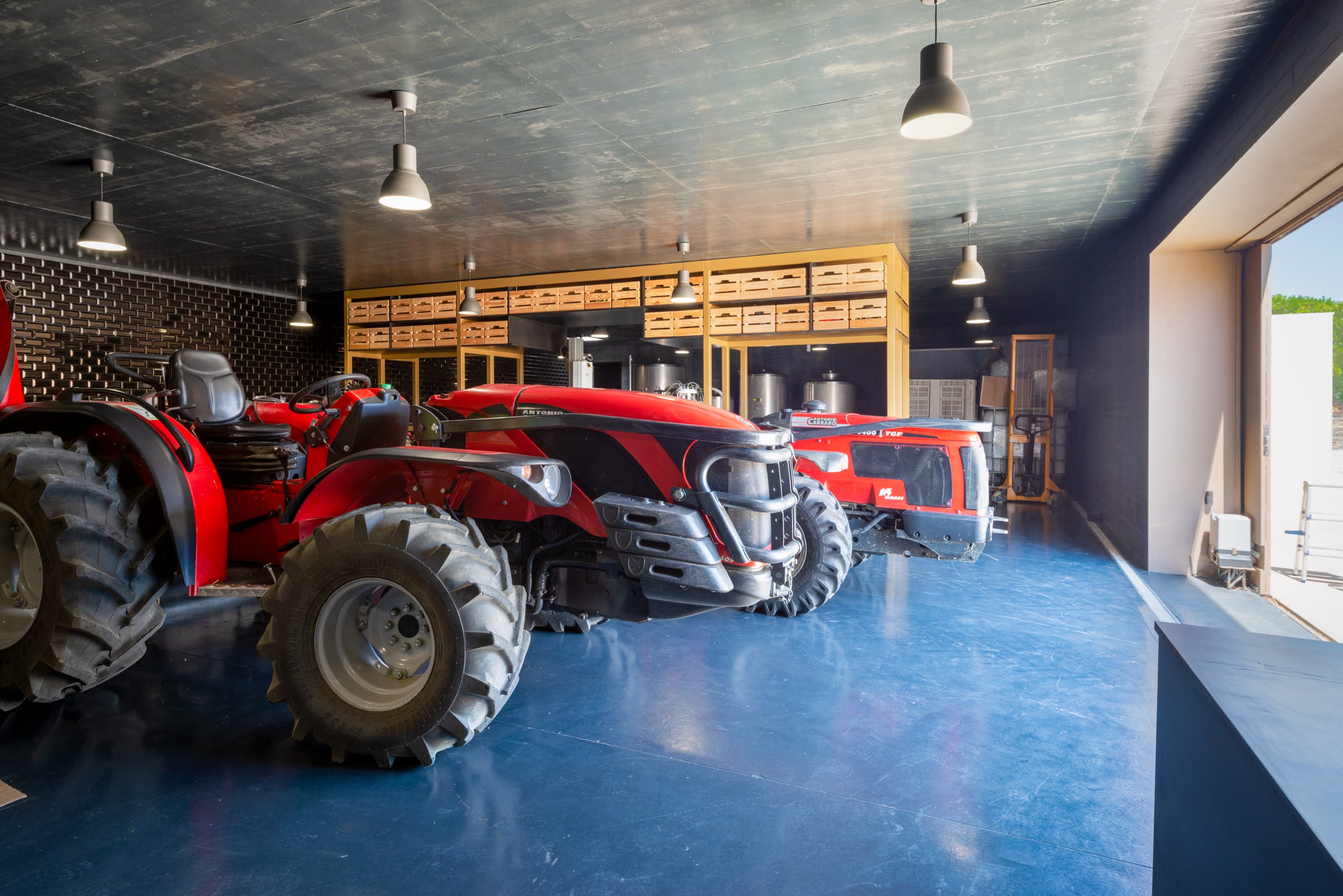
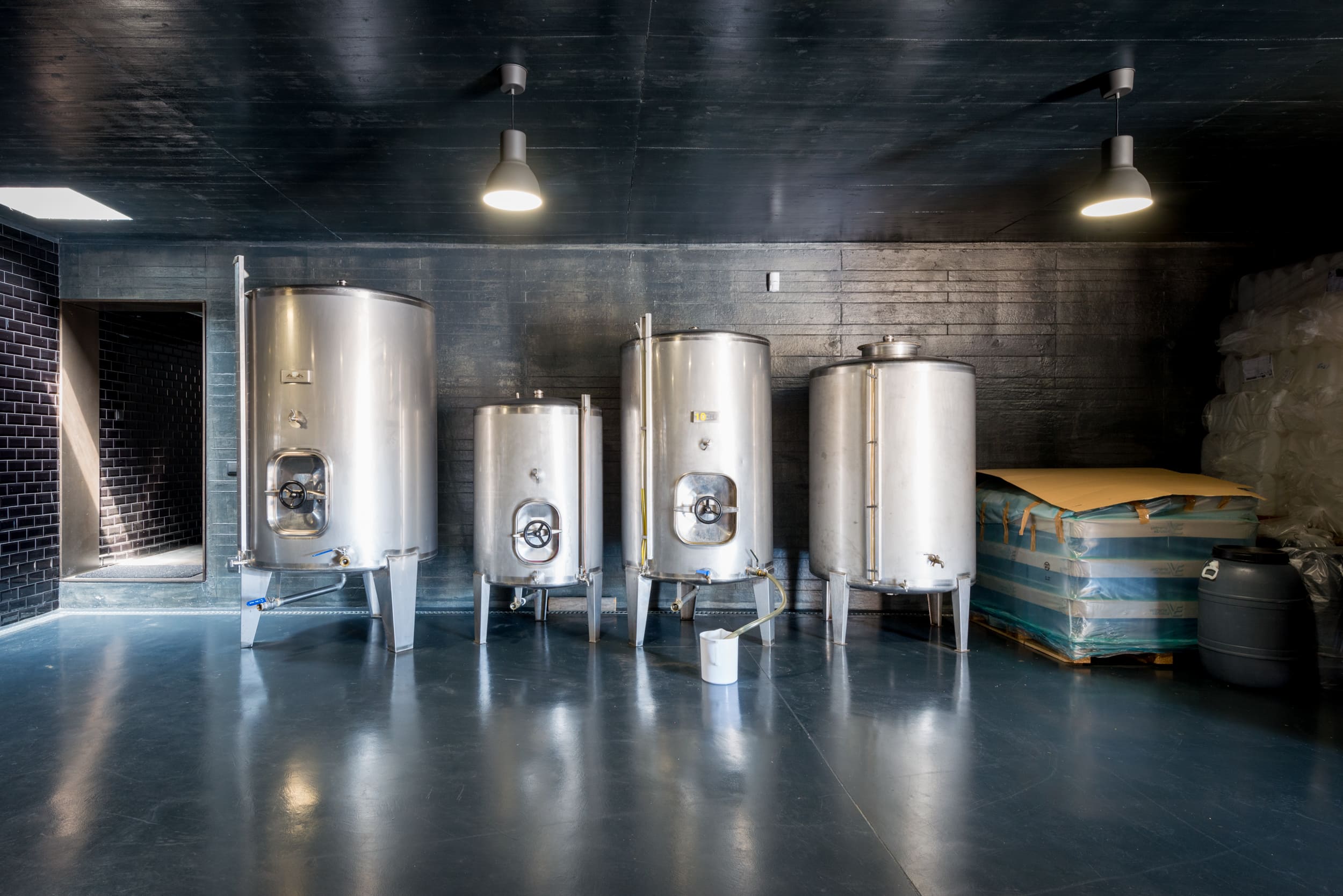
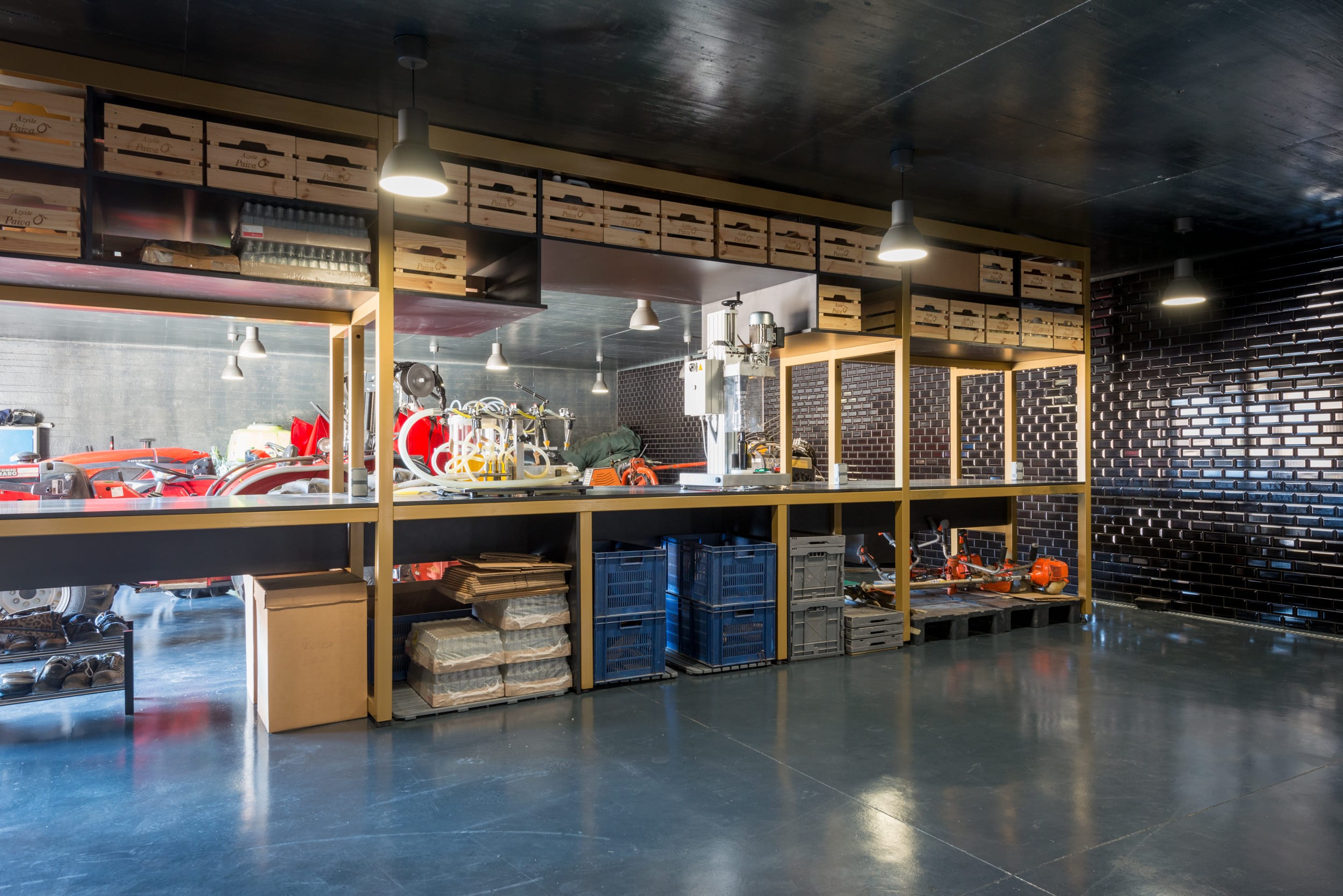
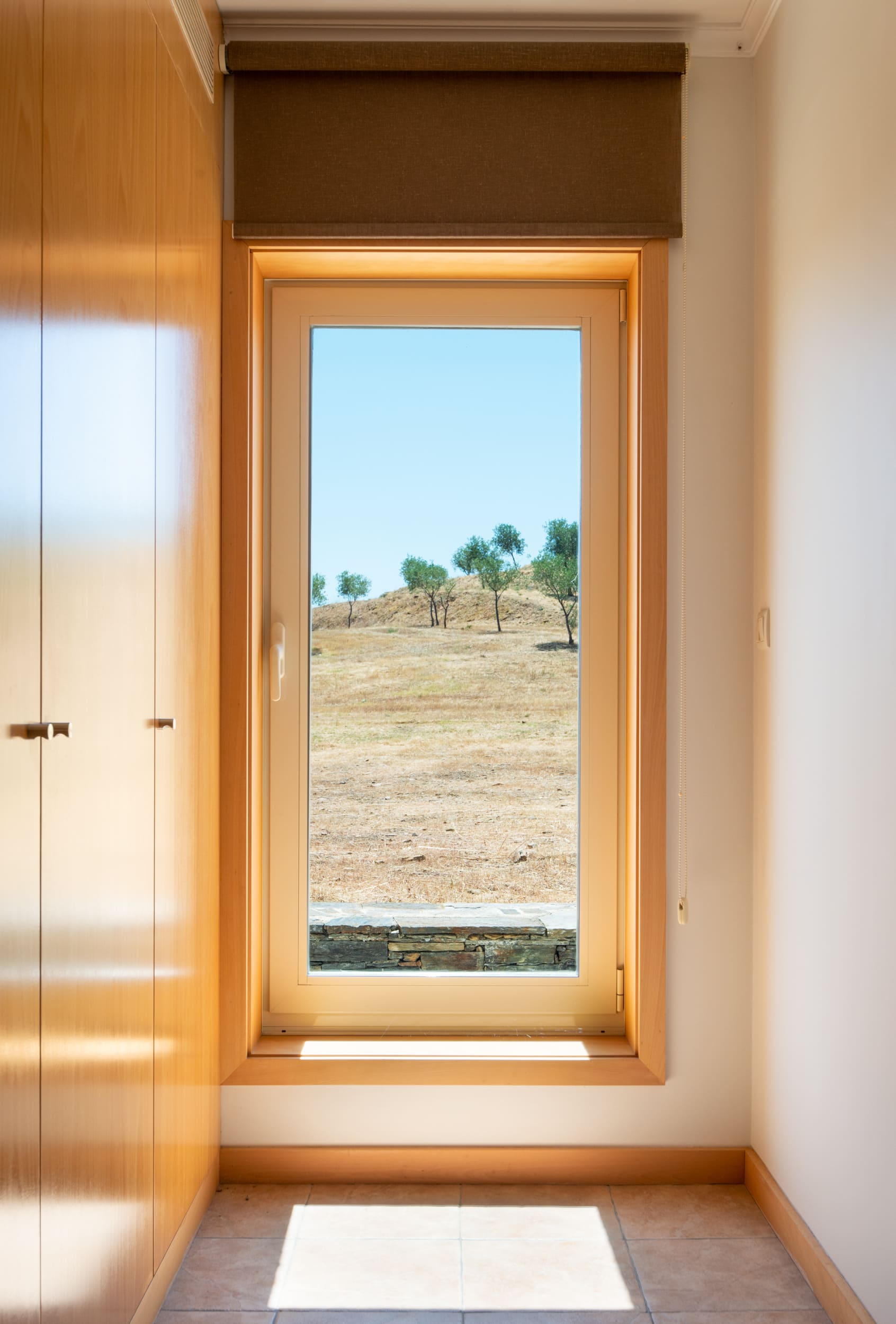
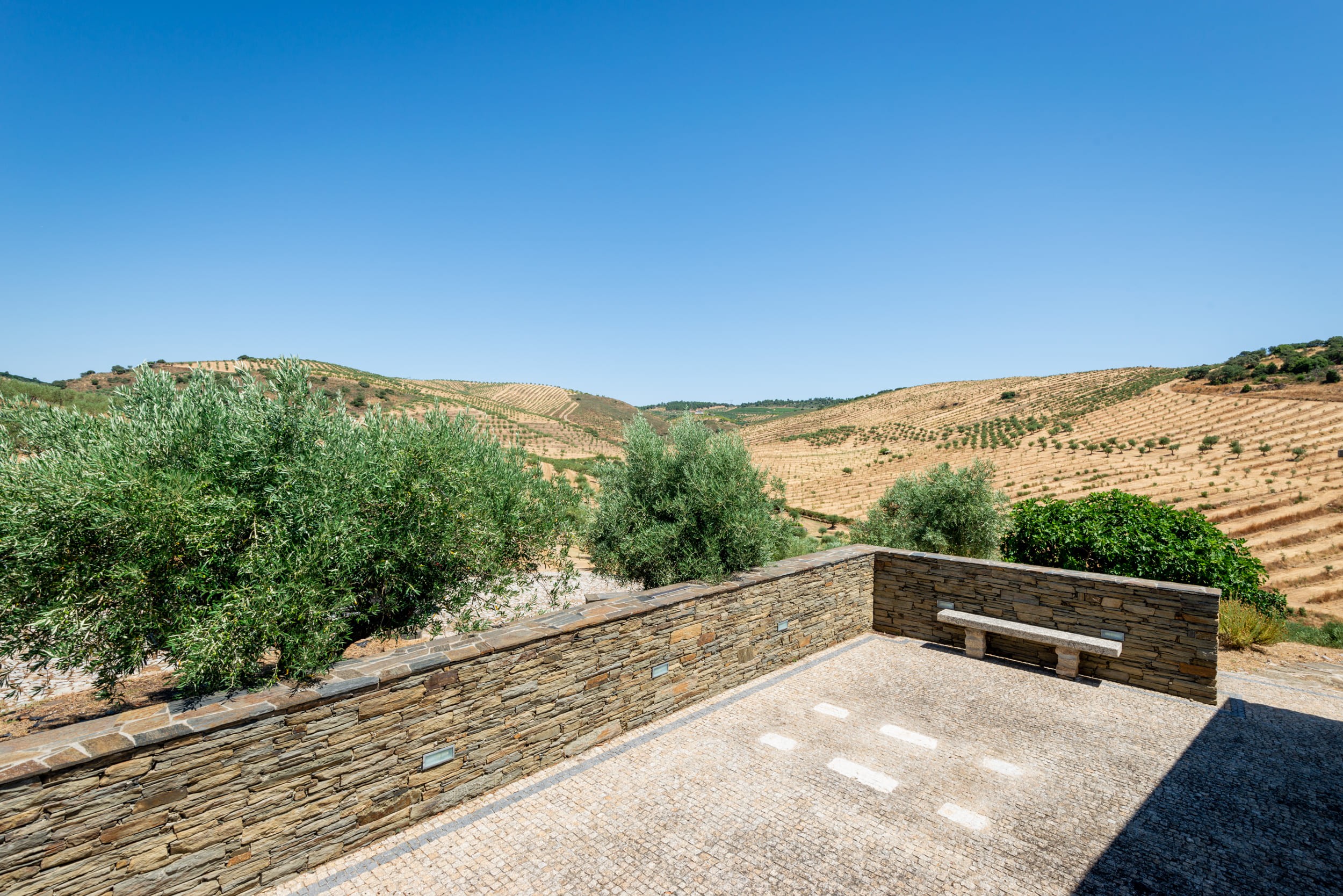
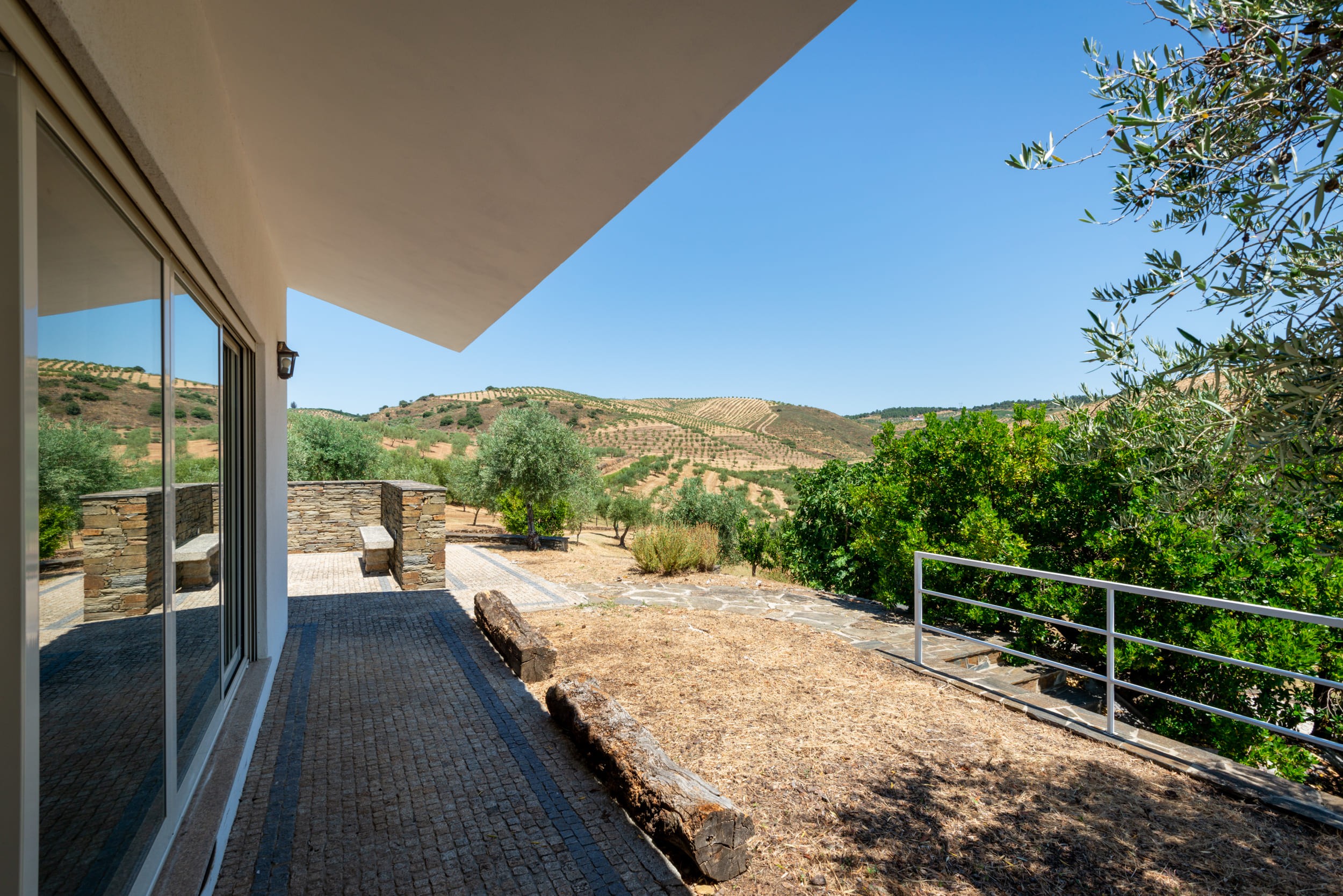
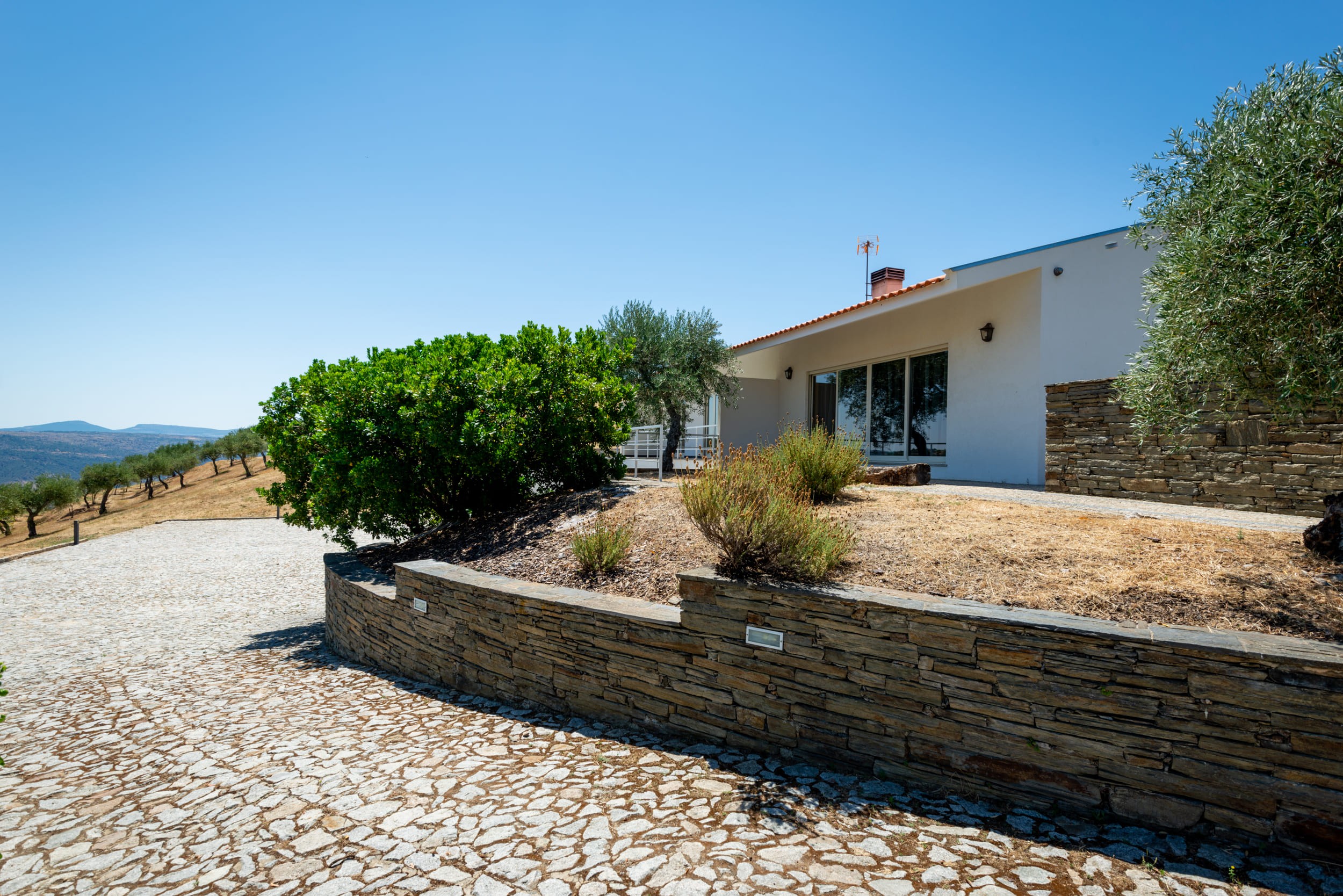
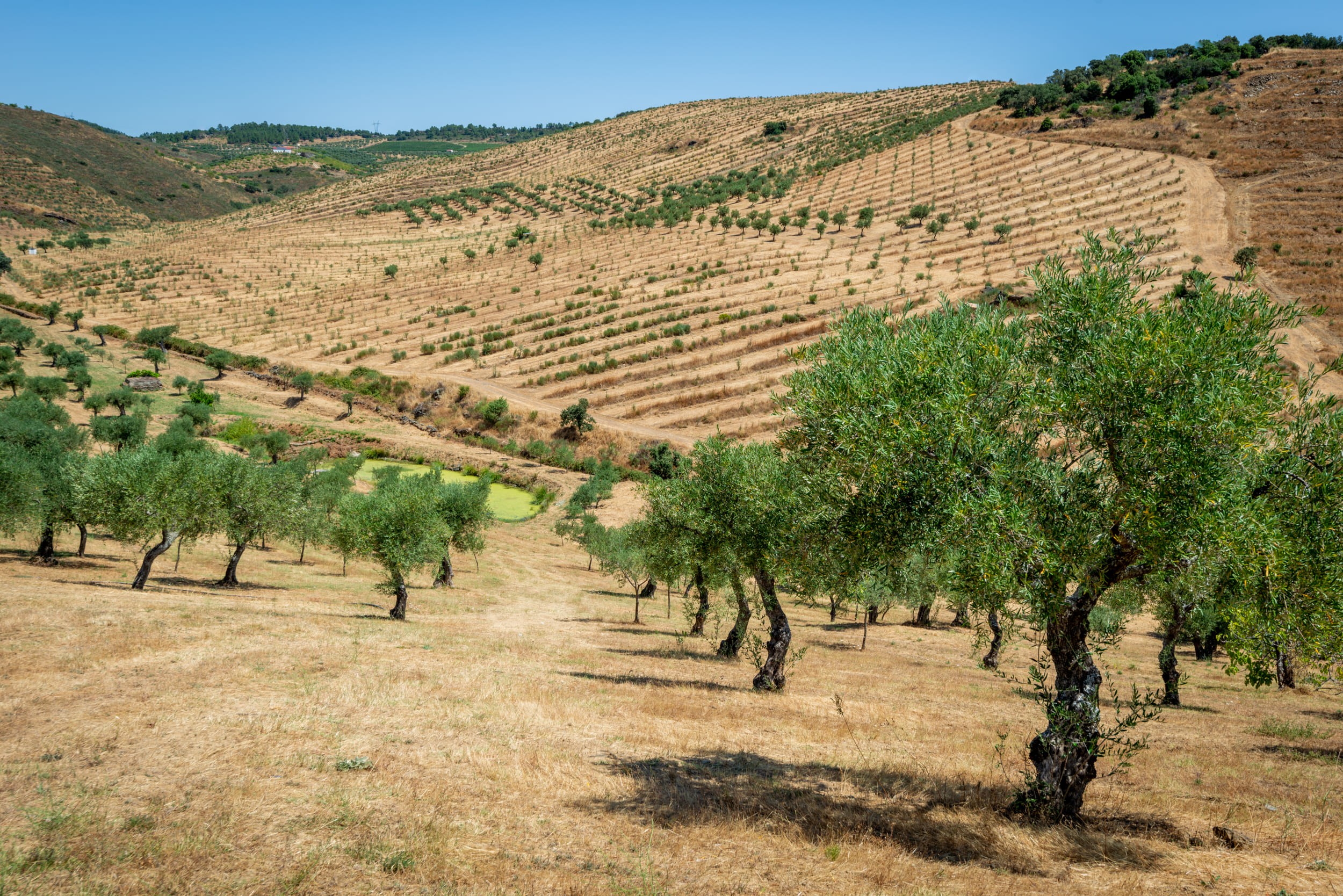
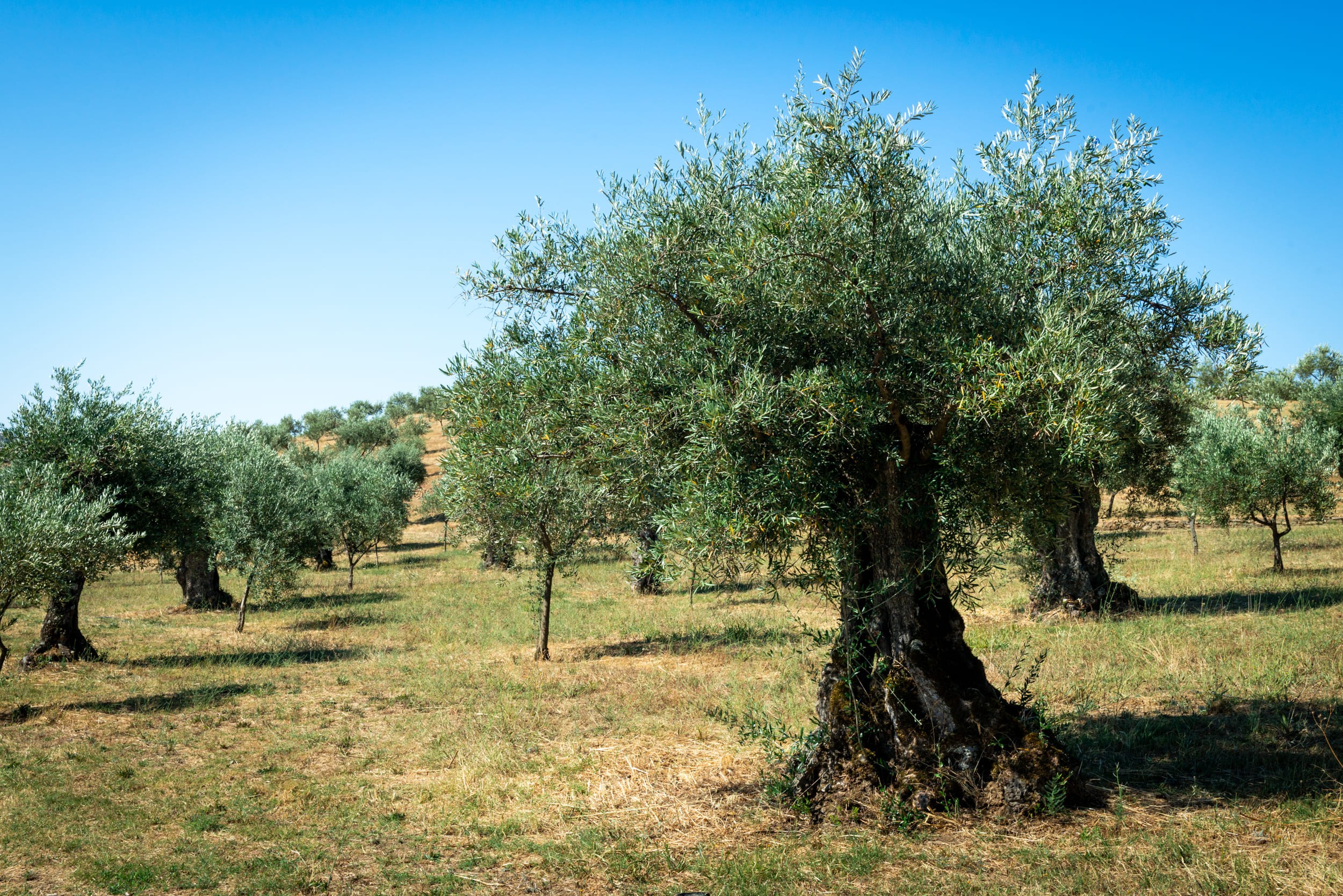
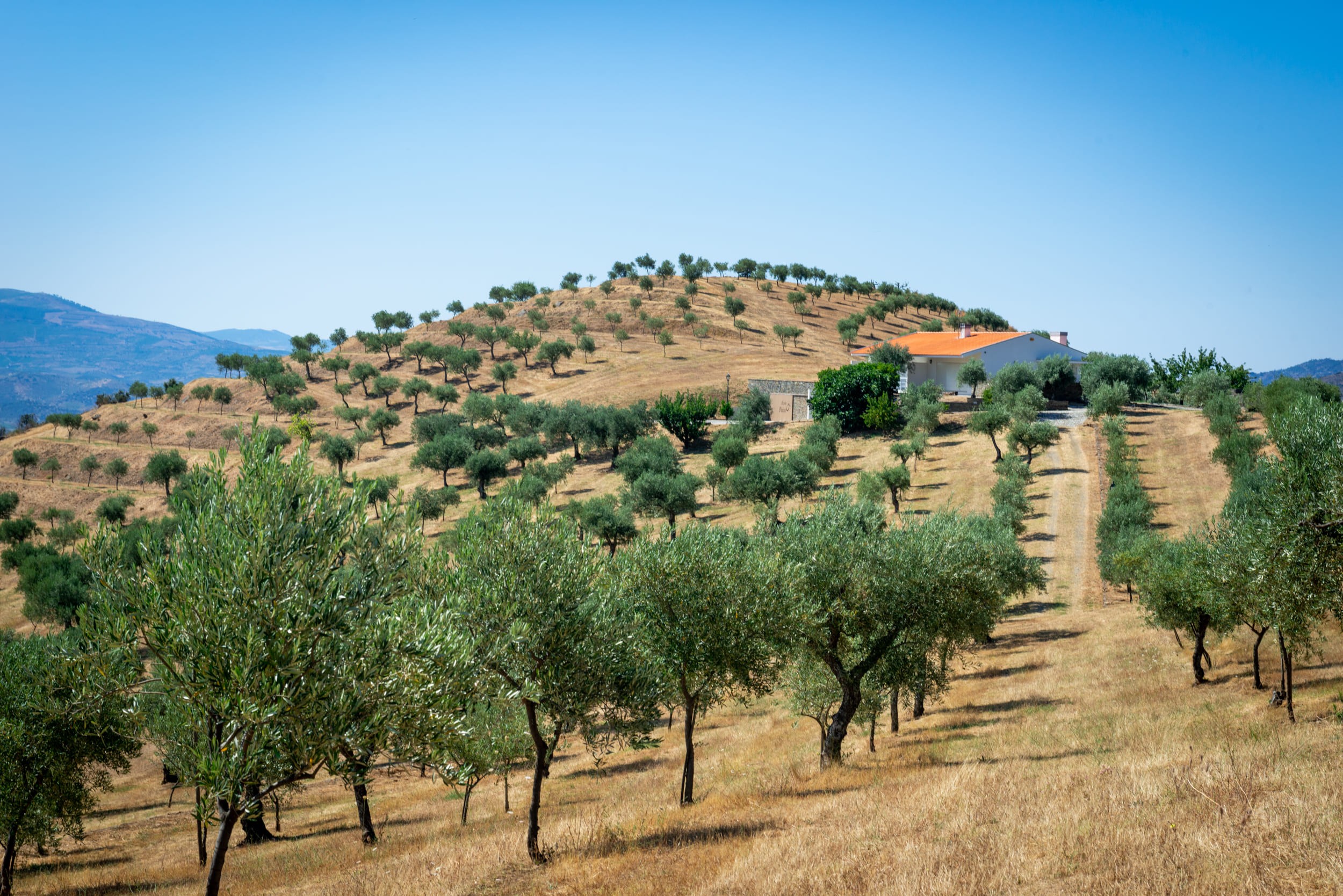
The farm was initially mainly planted with olive and almond trees. After remodelling, we opted to plant only olive trees, totalling 5,600, thus dedicating ourselves exclusively to olive oil production.
For its production we opted for the integrated production method (we are certified by CERTIS with licence number PRODI425UP). This method of production allows the tree to be more stable (as we are not allowed to plough the land) and therefore produces a more homogeneous oil over the years.
The land is crossed by a watercourse that allows us to have enough water for drip irrigation, which is absolutely essential as it allows for a substantial increase in production and helps to avoid the problems of harvest and counter-harvest. As water is needed during the annual cycle, there are two critical periods; the first during the stone development phase – in dry springs it hardens, doesn’t increase in size and conditions the development of the fruit – and the second occurs with the development of the flesh; the fruit shrivels and the oil content can decrease considerably.
Variety
The following varieties of olive trees predominate in our olive grove:
1. Cobrançosa Gives rise to a medium-sized, ellipsoidal fruit, with a maximum diameter in the middle; a pointed or rounded apical shape, with a protruding apex or with a nipple; a truncated or rounded basal shape; a small, circular, medium-deep peduncular cavity.
2. Cordovil It produces a thick, green olive and is considered the finest of all the species produced in Portugal.
Get to know us
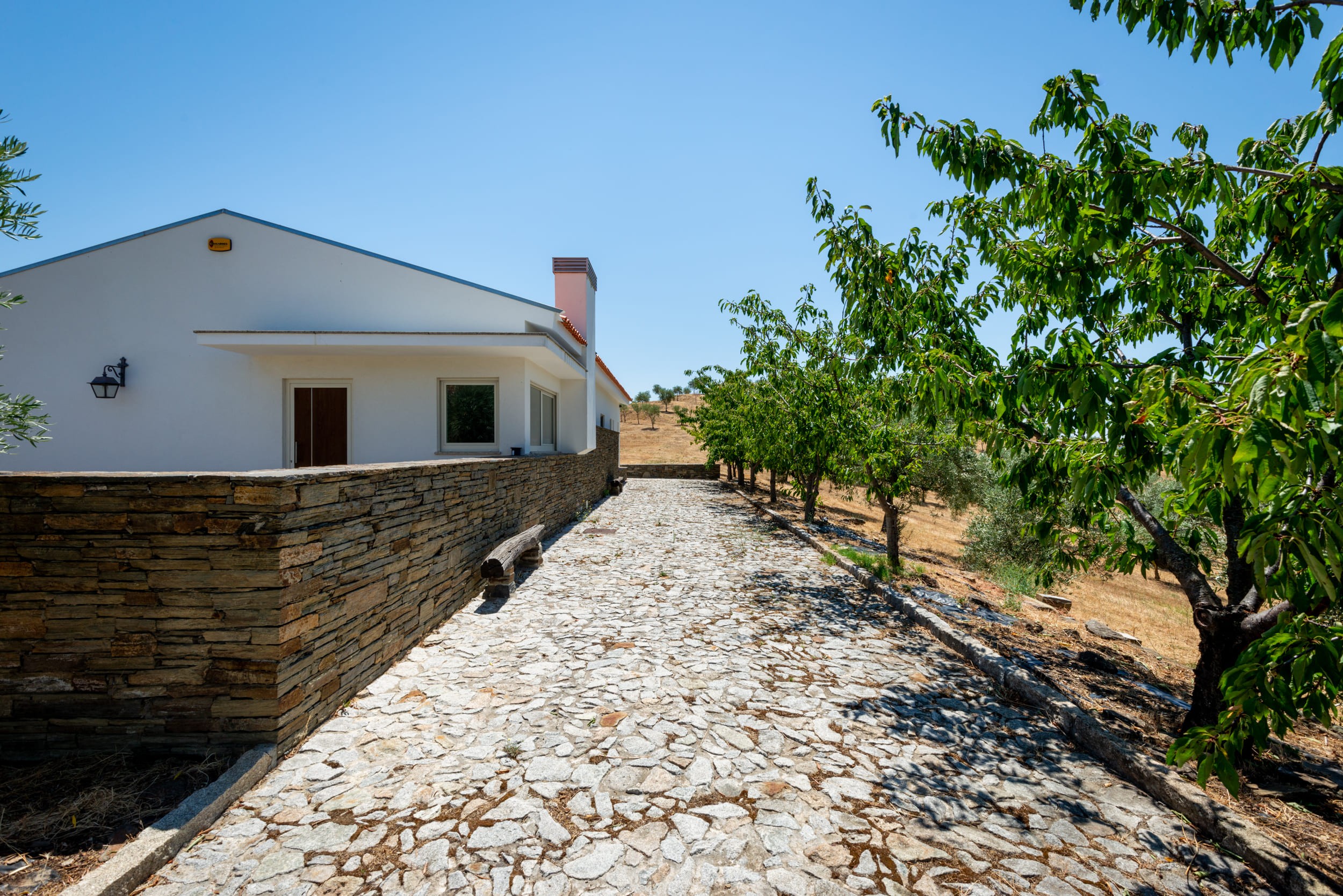
Quinta da Costa da Sobreira is located in the parish of Nabo in the municipality of Vila Flor, with a total area of 21.6 ha, a region of Trás-os-Montes known for its vast olive and almond groves.
Scroll Up
Request a quote
This site uses cookies to enable a better user experience. By browsing the site you consent to their use.